
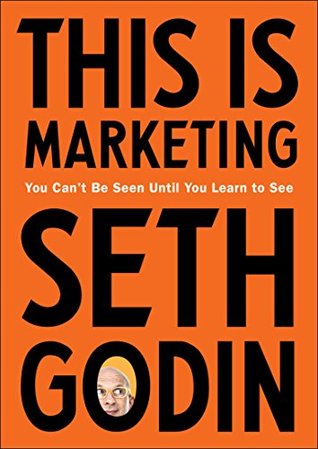
Quick Review
Godin wants you to help people see that change is possible. He thinks marketing can unlock value in others by helping them see the possibilities they didn’t know existed. He discourages manipulation and deceit. Build trust with your audience, give them something to talk about, let them be the evangelists for you.
Two Key Take Away
- Find your smallest viable market
- Show up with generosity and authenticity and keep improving your message.
Chapter 1 – Not Mass, Not Spam, Not Shameful
Main Point
Marketing used to be mass-market advertising but it has shifted to problem-solving, value creation, tribe building, culture-shifting activities.
Summary
The Compass Points Towards Trust – Marketing has changed from selfish mass to having effective marketing rely on empath and value. There is no road map for it, but there are related problems to solve. You are trying to spread ideas, make an impact, and improve culture.
Marketing is not a battle, and it’s not a war, or even a contest – Marketing is about serving. It is about solving a problem, their problem. Hopefully changing the culture for the better in the process.
The Magic of Ads is a Trap that Keeps us from Building a Useful Story – Marketing used to be buying ads and advertising. The internet changed that and marketers now have to market. Aligning with tribes and creating ideas that spread.
On getting the word out (precisely the wrong question) – Getting the word out, i.e. ads are the last part of the marketing equation.
Shameless marketers brought shame to the rest of us – You don’t want to be a short term profit maximizing hustler. You want to understand your customer’s thoughts, feelings, and worldviews so you can connect with them.
The Lock and Key – Listen to customer problems and make products and services for them rather than making a product or service then trying to find a customer.
Marketing doesn’t have to be selfish – Marketing is about helping people become who they seek to become. It’s about offering solutions and opportunities to help people solve their problems.
Cast Study: Penguin Magic – An online magic store, Penguin Magic, understands what its audience knows, wants, and believes.
- It has videos of every trick, not how it is done, but what happens to build tension.
- Professionals don’t need lots of tricks but amateurs do.
- Tricks are reviewed in detail. The community comment about is good or not.
Stock gets turned over quickly and now tricks get made and worked on. They host events for the community. The better and bigger the community, the better it is for Penguin Magic.
You’re not a cigar-smoking fat cat – Your emergency doesn’t give you the right to steal my attention.
It’s Time – Time to stop taking shortcuts and instead, focus on the long term viable path.
Chapter 2 – The Marketer learn to see
Main Point
Marketers need to understand their customer’s problems so they can deliver stories and actions for them.
Summary
Marketing in five steps –
- Invent a thing worth marketing, with a story worth telling, and a contribution worth talking about.
- Design and build it in a way that a few people will particularly benefit from and care about.
- Tell a story that matches the built-in narrative and dreams of that tiny group o people, the smallest viable market.
- Get everyone excited about it: so they spread the word.
- This is often overlooked: Show up – regularly, consistently, and generously, for years and years. Lead and build confidence in the change you seek to make – PG 11.
This is Marketing: An Executive Summary – Marketers make change happen: for the smallest viable market, and by delivering anticipated, personal, and relevant messages that people actually want to get PG 12. Build trust, attention, and action with consistent and frequent stories to the aligned audience. It is about what we do and how we do it. It is about building a culture so people like us do things like us. Making changes begins with making a culture. Begin by getting people in sync. Culture is the strategy.
Things Marketers Know –
- Committed creative people can change the world.
- You can’t change everyone, so asking “who is it for?” can focus your attention.
- Change is best made with intent – “what is it for?”
- Humans tell themselves stories and they think the stories they tell themselves is true, there is no point trying to change their mind.
- We can put people into groups that often tell themselves the same stories and make the same decisions based on perceived needs.
- What you say isn’t as important as what others say about you.
Key Quotes
Marketers don’t use consumers to solve their company’s problems; they use marketing to solve other people’s problems.
Chapter 3 – Marketing Changes People through Stories, Connections, and Experiences
Main Point
There is no one size fits all marketing plan. You need to understand your audience, what drives them, and shape how you approach them with this knowledge.
Summary
Case Study: VisionSpring – Selling Glasses to People who need them – Going to rural India to sell glasses, they got a 30% sales rate when they gave the people a choice of glasses. They needed glasses, they had better sight with them, they were leaving soon, and they could afford them, but only 30% of people bought them. Changing tact they removed the option of choice. If they try them on and if it works you buy that pair. The desire for gain versus fear of loss. If you don’t want them we take them away from you. This doubled the sales. Shopping was not the same as in the west. It was a risk.
Consider the SUV – Marketers needs to understand the irrational choices that drive their customers. Many people buy features on cars they will never use.
That Riff about the Quarter-Inch Drill Bit – Harvard Marketing Professor Theodore Levitt said “People don’t want to buy a quarter-inch drill bit, they want a quarter-inch hole”. You need to figure the benefits, what drives them, how will it change their lives, not the features.
People Don’t Want What You Make – They want what it will do for them and how it will make them feel. We need to focus on who’s it for and what’s it for?
Stories, Connections, and Experiences – Stories resonate. People are lonely and want to be part of something. We remember experiences.
Market Driven: Who’s driving the bus? – Marketing-Driven is about squeezing out profits and following trends. Market-Driven is about listening to customers. Understanding hopes and dreams. Hearing their frustrations and trying to change cultures.
The Myth of Rational Choice – Economics works on the assumption that people act rationally. Get all the information and make informed long term choices. Individuals don’t work this way. They make irrational choices based on current short term urges. They try to act in a way that aligns with the culture they want to be part of. You can make two mistakes here
- Assume that the people you are trying to serve are rational, well-informed, independent, long term choice makers.
- Assume that everyone is like you, knows what you know, wants what you want.
The short answer is they aren’t and they don’t.
Chapter 4 – The Smallest Viable Market
Main Point
It is not about appealing to everyone, to sell to everyone. It is about being very specific about who you are trying to engage with, help, support, change.
Summary
What Change Are you Trying To Make – If you are marketing, you are in the business of making change happen.
- Stumble One – You aim to big. Make sure the hurdle is one you can leap. Be very specific and try to make that happen. Then next time aim bigger, repeat.
- Stumble Two – You make changes that already exist. You are acting exclusive rather than inclusive.
What Promises Are You Making – You are always presenting a promise, not a guarantee. Your promise is directly connected to the change you are trying to make, and it’s addressed to the people you seek to change – PG 28.
Who are you seeking to Change? – You can’t change everyone so you need to be specific about who you are trying to change. It could be one person or it could be a group of people. Do they share the same beliefs? Could you pick them out of a crowd? What makes them different from everyone else and similar to each other?
World Views and Personas – Which people are you marketing to. Think about what they dream about rather than what they look like. Psychographics rather than Demographics. Cognitive Linguist George Lakoff coined the term World View to describe what stories people told themselves. It’s a lens in how they view the world.
Forcing A Focus – Choose the market you serve and you choose your future. What is the smallest market that you need to serve? 3 people, 30 people, 300 people? This way you focus on the make up of the market. We are trying to choose the people that want what we are offering.
Specific Is A Kind Of Bravery – Getting as specific as possible creates accountability. It worked or it didn’t. You will never be able to serve everyone, which is good so you can focus on who you need to serve. Things get easier when you don’t try to serve everyone and decide to serve someone. Your work is not for everyone, it’s only for those who signed up for the journey – PG 34.
Shun the Nonbelievers! – It can be hard to hear no’s all the time and try to fit in. Keep refining and searching for your minimal viable audience.
Where Does Love Lie? – Not everyone will love you, but you aren’t working for them. Love can build big things, people want to be part of the community. Showing their love for you is a way of expressing themselves.
“Winner takes all” rarely is – Getting in front of the right people is more than enough. It is better to aim for those right people than for everyone.
A Simple One-Word Transformation – The goal is to make change so we are not trying to get customers, we are trying to find students. What are we trying to teach them? What are they trying to learn?
Colouring the Ocean Purple – You can’t make a drop in the ocean (everyone), so don’t focus there. Find a swimming pool that you can change to purple. Then find another one. Have those best customers spread your ideas.
“It’s not for you” – Ignore the critics. What you have to offer is not for them. You are saying that you respect them enough not to waste their time because you are not trying to change their minds.
The Comedian’s Dilemma – Your work might not be as good as it needs to be, but also you might not have been clear on who it should be being presented to.
The Simple Marketing Promise – here is the template – PG 39
- My product is for the people who believe _____________
- I will focus on people who want ____________
- I promise that engaging with what I make will help you get ________
Case Study: The Open Heart Project – Susan Piver made the largest meditation community in the world. She did it by:
- Empathy – what would matter here
- Smallest market
- Matching the world view of the people being served
- Make it easy to spread
- Earn and Keep attention and trust
- Offer ways to go deeper – look for ways to work for your members
- Create and relieve tension
- Shop up, often. Focus on the parts that work.
Key Quotes
Find a position on the map where you, and you alone, are the perfect answer. Overwhelm this group’s wants and dreams and desires with your care, your attention, and your focus – PG 33
Because it doesn’t matter what people you are not seeking to serve think – PG 38
Chapter 5- In Search of “Better”
Main Point
Better is subjective. Your version of better will only be better for a certain group of people. You will never be able to convince something is better than what they think is better. You need to focus on the people who like your stories and values.
Summary
Empathy is at the heart of marketing – Everyone has their own internal life. Their own hopes, dreams, fears, insecurities. You can’t market to someone and yell at them to believe what you believe, you need to dance with them.
A million-dollar bargain – Everything we buy should be a bargain. We are getting more value out of it than it costs. You want to show them how much they will benefit from what you offer so that they are stealing from you. If they still don’t want it, then move it, it is not for them, and that is OK too.
Thinking about “Better” – Better is subjective. Price is linear, one thing is more expensive than another. However, being more stylish, trendy, cool, that is all subjective so what is “better”?
Better isn’t up to you – People decide what is better for them based on their values. Better for the environment. Better price. Better status. As marketer, you want to find your place on the map and send up a beacon so people can easily find you.
The Marketing of Dog Food – We don’t market dog food to dogs, we market to dog owners. They don’t know what the food tastes like. But they make choices of what to buy for many reasons. There are two voices in our heads. The emotional non-verbal that knows what it wants, and the intellectual nuanced, contradictory, and complex thinking that is juggling a million inputs and is easily distracted. Choose your extremes and choose your market.
Early adopters are not adapters. They crave the new – The early adopters want the thrill of the new. They can handle imperfection but are always looking for the next thing. the adapters figure out how to get along when the world changes. They are not happy about it, but they do it. As a marketer, you are choosing between two extremes, keeping things new and interesting for the adopters or building products and services that last for the adapters. The constant question – who is this for? What do they believe? What do they want?
An aside about the reptile people who are secretly running things – Professor Roland Imhoff from Johannes Gutenberg University in Mainz, Germany studied conspiracy theorists. He found they weren’t all after a sense of control, but of feeling unique. They want to feel like they were an outsider, being part of a unique set of people. We all fall into micro-tribes. We are all searching to be part of the uniqueness.
Humility and Curiosity – You want to be curious about what makes them tick. You can’t buy their attention. You can trade it for something that interests them. A lifeguard doesn’t need to run an ad for the drowning man to take the lifejacket. The drowning man understands what is at stake and gives the lifeguard their full attention.
Case Study: Be More Chill – More than one way to make a hit – Be More Chill was a musical hit without going on Broadway. It got panned by the critics, but it was not for them. It was aimed at a different market and they loved it.
What’s a car for – It is not for transportation. Many people live without a car. It is a want, not a need. It is a change of status. It is changing into adulthood. It is also a change for the parents. There are many changes going on and marketers, salespeople can design their pitches to create value around these issues.
Too Many Choices – Many things are offered to customers, but not for customers. They have so much choice now and so instead they walk away.
Positioning as a Service – Use an x and y axis and choose to criteria for your market. Speed and Price. Natural and local. It is just a way to see where the gaps are in the market. After you pick your spot you want to make sure that:
- Claims that are true, that we continually double down on in all our actions.
- Claims that are generous, that exist in the service of our customers.
Choose your axes, choose your future – When you pick the criteria, it is easy to pick the popular ones. But then you join a very crowded market. You can pick criteria that are less popular and see if you can find an area with a compelling true story, that keeps your promise, and an underserved customer base. They can connect with you and spread the word.
So Many Choices – There is not a shortage of choice. You want your brand to connect to a feeling or emotion. So when the customers feel that emotion they think of you.
People are waiting for you – They just don’t know it yet. They are waiting for you to show them a world with you in it.
Your Freedom – You can do anything to market yourself. You don’t have to do the typical.
The Freedom of Better – The ‘doing’ is so much easier now. It is hard to defend the status quo when things are changing so quickly. You don’t need a team to send emails to millions of people, anyone can do that with an email address. We can spend less time ‘doing’ things and more time making change happen.
One Last Thing about Sonder – People think the other side can’t possibly believe what they say. But the other side does. Don’t try to change their minds. It is just about trying to dance with them. Connect with them. No one admits they are wrong. So you just want a chance to tell your story, have it mix with their story and add to the beliefs they hear.
Key Quotes
There is a difference between performance and appeal. That the engineer’s choice of the best price/performance is rarely the market’s choice – PG 47
We are not so much interested in the features as we are in the emotions those features evoke – PG 56
Chapter 6 – Beyond Commodities
Main Point
If you race to the bottom, your product is just a commodity. You want to create a brand, that serves a customer, that changes their life for the better. Then you don’t have to worry about the price.
Summary
Problem First – Focus on the group you are trying to help, a problem they are trying to solve, and the change they seek to make, then, and only then, think about the solution that you are offering.
Does it Work? – Products used to be dangerous and unreliable until regulations came in. Now everything is good and working. If your product is not good then this book won’t help you. Everyone is producing quality goods now so that is a moot point.
The Commodity Suck Out – If you’re competing on price then you are just one click away from losing a sale, they go for the cheaper product. That is not our game. We are in the games of hopes and dreams, raising expectations, helping them see further.
“You can choose anyone, and we’re anyone” – Shoe shinning is a want, not a need. Anyone can set up near you and take half of your customers. There are many different reasons why someone would want their shoes shined. They want to look good, they want the status. Knowing the stories the customer tells themselves is not enough, you have to act on it. This is the work you have to do so that people know you are special.
When you know what you stand for, you don’t have to complete – You want to be proactive versus reactive. If you just fill a hole in the market you are going to quickly become a commodity. You need to find, earn, and build your story. Good stores:
- Connects us to our purpose and vision for our career or business.
- Allows us to celebrate our strengths be remembering how we got from there to here.
- Deepen our understanding of our unique value and what differentiates us in the marketplace.
- Reinforce our core values.
- Help us to act in alignment and make value-based decisions.
- Encourage us to respond to customers instead of react to the marketplace.
- Attract customers who want to support businesses that reflect or represent their values.
- Build brand loyalty and give customers a story to tell.
- Attract the kind of like minded employees you want.
- Help us to stay motivated and continue to do work we’re proud of.
But the Story is a Hook – When you tell the customers that you are going to take them from here to there, you are on the hook to deliver on that story.
Case Study: Stack Overflow is Better – Stack Overflow is where programmers search for answers from other programmers. 1000’s of people volunteer their time answering questions. There was an earlier site called Experts Exchange where the questions were readable but you had to pay a subscription to read the answers.
Joel Spolsky, founder of Stack Overflow worked for Experts Exchange and wanted to make something better. He changed the business model to having questions and answer free and getting job postings to pay for advertising. What better place to advertise to programmers. Creating a better product meant he had to treat different people differently. They would have to tell different groups different stories to match their worldview. The people that answered questions could get ranked based on the quality of their work, gaining status in the group.
Better is up to the User, Not to you – Was Google better than Yahoo? Yahoo would return 182 links, Google two. It was confident. DuckDuckGo is better for other people who don’t want to be tracked. Better is their choice, not yours.
“And we serve Coffee” – Trident, a book store in Boston, still did well when Amazon started selling more books more cheaply. What Trident did was offer coffee, something Amazon or online offerings cant. They were less a book store that sold coffee but a coffee shop that sold books. The books became a souvenir of the connection they made that day.
The Authentic, Vulnerable Hero – A professional plays a role. They work in service of the change they seek to make. When James Brown fell down exhausted after a show and needed help to his feet, it was stagecraft. He did it every not. When the coffee person smiles at you, they are presenting, not revealing. This is fine, revealing isn’t what better looks like. Protect yourself, you are needed tomorrow.
Service – James Brown and the Coffee Person understand that authenticity in the marketplace is a myth. What people want is to be understood and to be served, not to see how you feel at any given moment. You are here to serve.
Authenticity versus Emotional Labour – Emotional Labour is the work needed to provide service. It is the showing up with a smile, or not yelling at someone even though they deserve it. Being authentic is fine but it might not be helping the situation. Following that authentic self can get you in trouble if your authentic self is a jerk. Be a professional and turn up and do the work to find the story that resonates with them.
Who’s Talking? – You want to make the communication feel personal. When you get an email from a big corporation it feels slick not really. There is no human connection. You don’t want to personalize your work, you want to make it feel personal.
Chapter 7 – The Canvas of Dreams and Desires
Main Point
You are not offering a widget. You are offering an emotional state change.
Summary
What Do People Want? – People don’t know, they confuse their wants with their needs. Needs are air, food, water, shelter, wants are everything else. People know their wants (which they confuse for needs) but have a terrible time finding ways to solve them. They use methods that don’t work very well because it is familiar. We also mistakenly think that everyone wants the same thing.
Innovative Marketers Invent New Solutions to Old Emotions – Everyone is unique but we all have similar wants, needs, and dreams. There is a lot of overlap. You have to start with the assertions of what your customers think about when they first wake up. When they interact with you, start with their dreams and their fears, their emotional state and the change they seek.
Nobody Needs Your Product – They are buying a feeling that your product provides. Take people on a journey to change their emotional state from one to another.
No One Is Happy To Call The Real-Estate Broker – Like a product, no one needs a real estate agent, they are after the feeling that the agent can give them.
Where’s The Angry Bear? – If people don’t act like you think they should try to find where the fear is. People don’t think straight when they are afraid (of the metaphoric bear).
What Do You Want? – We all want to be loved, rich, famous. The details aren’t as important. You want to go from fear to belonging like your customers.
Always Be Testing – Boring is easy because no one is critical. You want to be testing your assertions. Talking, questioning, solving, connecting, seeking. You will nearly always be wrong, and that is OK. Keep Testing.
Scrapbooking – Being radically inventive and original is difficult and exhausting. You can use what has worked for others when designing your website, etc. Use their product as a template, break it down, rebuild it, make it your own.
If You Had To Charge 10 Times As Much – What is the difference between a $20 golf ball and a $200 golf ball? It is not more of the same, it is a different story, a different form of scarcity.
Irresistible is rarely easy or rational – You can choose to optimize for profit. Squeeze every drop out of the business, but this is a short term tactic. You want to create magic and memories. You might not be able to be cheaper. It is very hard to define ‘better’. But it is about the heart and soul of the business creating something irresistible.
Key Quotes
We sell feelings, status, and connection, not tasks or stuff – PG 78
Traffic in emotions, not commodities – PG 82
Chapter 8 – More of the Who: Seeking the Smallest Viable Market
Main Point
Figure out what is your smallest market that can work. Tailor your message to them. Connect with them, share your stories with them and let them share your story.
Summary
The Virtuous Cycle and Network Effects – Your work to change cultures helps to get the word spread. Good customers become your salespeople. Make something worth spreading.
The Most Effective Remarketability comes from Design – The Fax machine was successful because people talked about it and got others to join. This is called the Network Effect. The more people on it the better it is. Bob Metcalf made the first ethernet for 3Com. The cost of adding another person to the network slowly rose, but the value that adding another person to the network was exponential. Growth creates value, which leads to more growth.
“And then a Miracle Happens” – The old school marketers dream is that the miracle will happen and your product will be a hit. This is so rare that it should be avoided. Instead, follow a path, a path based on customer traction. Do your customers spread the word. If you can succeed small, how are you going to when you are large?
A Thousand True Fans – Kevin Kelley, Founding editor of Wired, came up with the idea of the 1000 true fans. These people will buy what you are offering sight unseen. A superfan. They spread the word. The challenge isn’t to win over the market, it is to capture a micro-market.
But what about Hamilton? – Even when it was at its height on Broadway, it was seen by less than 1% of the US. Its best-selling album only sold a few hundred thousand copies. Hits aren’t what they used to be. Now they are meaningful to a few and invisible to everyone else.
What Would Jerry Do? – Jerry Garcia and the Grateful Dead are a prime example of aiming for the smallest viable market. They have only had one top 40 songs. But they have made over $350 million dollars because true fans showed up and talked about them. Their marketing success was because of this:
- Focused all their energy on a relatively small market that they appealed too.
- They used fans to spread the message, not the mass media radio. They encouraged fans to record shows and those tapes spread.
- They had a small number of fans that supported them a lot, not a large number of people that supported them a little.
- They choose their niche, Long form jam songs vs short radio friend songs. Live shows vs polished studio albums. And they were great at both of them.
- They gave fans plenty to stand for. Creating insiders and outsiders.
They need three things to pull this off:
- Amazing talent, you can’t fake 145 concerts a year.
- Patience. It took them over a decade to become an overnight success.
- The guts to be unique. It couldn’t have been easy to see other bands be more successful in the short term.
Taylor Swift is Not Your Role Model – Taylor is a hitmaker. Her tour revenue made about as much as the Grateful Dead in way less time. There are hitmakers, assume they are not you. for the rest of us, our path is about connection, empathy, and change.
All Critics Are Right (All Critics Are Wrong) – If they say they like it, that still means that someone might not. If they say they don’t like it, then that is wrong too since you like it. You are wanting advice on how your work is connecting to their worldview more closely. The feedback might be because it was late, not that it was bad. We want to protect ourselves from raw emotion and focus on picking up the message they are saying, not what the messenger is saying.
Why Don’t People Choose You? – If someone knows you exist and they choose someone else, they are right. They are making decisions based on what they know for the reasons they believe in. You need to lean into your empathy and tell them the number of the competitor that better suits them. Focus on your audience, they are not one of them.
Chapter 9 – People Like Us Do Things Like This
Main Point
Instead of trying to change people, focus on talking to people like you.
Summary
Deep Change is Difficult, and Worth It – It is nearly impossible to change someone’s mind. People will do, or not do, things to confirm their internal narrative. To try to create the behavioural change you need to appeal to their sense of fitting in, and status (affiliation and dominance).
People Like Us (Do Things Like This) – Why do some places eat crickets and others eat beef. There is no genetic reason for it, we try to fit in with the group. It is impossible to change the culture, but you can change a culture but aiming at the smallest viable market and having them do like you do.
Case Study: The Blue Ribbons – The school was facing a budget cut, people didn’t want to pay higher taxes. The school had won many Blue Ribbon awards. Instead of fighting the people wanting tax cuts, they put blue ribbons all over a prominent tree in the center of town. Soon there were blue ribbons on lots of trees. People like us support education. The resolution passed.
The Internal Narrative – We don’t exist apart from others, so we make our decisions in part by what others do. If they buy, or don’t buy something, it affects us. What they wear, what they signal, we notice. It is built in the idea – Do people like me do this? Marketers make change by normalizing new behaviours.
Defining “Us” – Us used to mean everyone, now culture is shifting and even very ‘popular’ things don’t get experienced by more than 1% of the population. You don’t need to get everyone, you just need enough.
Which Us? – The ‘us’ matters here. Start with the us. It is not ‘do things like this and you are one of us.’ It is ‘people like us, do things like this.’ Start with the us.
It Shouldn’t Be Called ‘The Culture’ – The culture is too broad, we are trying to change a culture or this specific culture. You need to focus on:
- Map and understand the world view of the culture we seek to change.
- Focus all our energy on this group. Ignore everyone else. Instead, focus on building and living a story that will resonate with the culture we are seeking to change.
Change is made by caring enough to want to change a culture and being brave enough to pick just one.
Just Enough Art – There are many hierarchies in the culture. It is easy to mimic the past. Copying others styles. The challenge is doing the next thing. The leap forward. It needs to be a bit better, a bit different, a bit unexpected, but leap too far and no one will follow you.
Case Study: Gay Marriage in Ireland – They didn’t use the ration arguments of fairness and respect. Rationale won’t get you very far. They had Brighid White and her husband Patty, both in their 80’s talk about their son and what the referendum would mean to them. People watched the video and saw themselves. People to people, Us to us.
Elite and/or Exclusive – They sometimes co-exist. Elite is external. An award or victory shows to the world that you are good at something, but it is not a culture. Exclusive is internal. It is us versus them. Every organisation wants to start with being exclusive. People like us.
Case Study: Robin Hood Foundation – They raised $101 million dollars in one night. People thought that galas were the secret. It was not. The foundation had spent a lot of time raising expectations about the event, the amazing giving of the early adopters. It was a simple trade, cash for status. They used the competitive nature of the guests for them to show their power, to dominate the others. If they were to be part of ‘Us’ then it is what you do.
The Standing Ovation – The number of people who are needed to get a standing ovation to start depends on the environment. What culture is there, how are people showing their fit in?
Roots and Shoots – Imagine your work like a tree. The roots live in the soil (dreams and desires of those you seek to serve). As the tree grows it becomes a beacon for your community.
Key Quotes
Everyone always acts in accordance with their own internal narrative – PG 102
Normalization creates culture, and culture drives our choices, which leads to more normalization – PG 106
Chapter 10 – Trust and Tension Creates Forward Motion
Main Point
You must build up tension to create change, but you also need to present the option to relieve that tension.
Summary
Pattern Match / Pattern Interrupt – If you have a pattern already, you can try to match it. It takes energy to make new decisions and it is easier (less risky) to stick with your pattern. Time is precious and risk is scary – Buy the food the kids like. Hire the same company to do X. Interrupting that pattern is harder (riskier). Life situations can break patterns, new parents, moving, new career. When there is no pattern it is easier to change peoples minds that their old choices were sub-optimal.
Tension Can Change Patterns – To do an interrupt, you need to create tension that only gets released when you change your ingrained pattern. Slack focused on early adopters, people who wanted to use new technology, then those people went sideways to their team and said you are missing out on not using this tool. Now Slack is a billion-dollar business.
What Are You Breaking – If you offer something new you are changing something else. If your offering is the best then someone else’s is no longer the best. When a new network starts to pull the cool kids and influential people it builds tension when people in the old network start to rethink their positions. The tension of being left behind.
Tension Is Not The Same As Fear – Fear shuts us down. We go into protection mode. Fear paralyses us if we don’t think we can move forward. Tension, on the other hand, is the promise that we can get through to the other side of fear. That we will be able to learn and grow and be a better person.
Marketers Create Tension, and Forward Motion Relieves That Tension – We don’t want to be left out, we want to be in the ‘in-group’. We want to be in the know. We want to create these tension gaps for people to jump over, and the reason they do is for status. To feel like part of the tribe.
Are You Ready To Create Tension – If you turn up with your offering and your story but you don’t create tension, the status quo is likely to survive?
How The Status Quo Got That Way – If the truth could change the status quo, it would have changed long ago. The status quo changes because of culture, and that culture is status.
Chapter 11 – Status, Dominance, and Affiliation
Main Point
We are all competing for status, some people want to make sure that they are getting more power, some people want to make sure they are connecting with more people. You need to signal the correct type of status to the person.
Summary
Baxter Hates Truman – We are all jostling for status and trying to be higher on the pecking order.
It’s Not Irrational, Status Makes It The Right Choice – We pay a lot of attention to status. The decision someone might not make any sense to you, but if you look for the status involved it makes sense to them.
Status Roles: The Godfather and the Undertaker – Keith Johnstone’s book Impro shows hidden but obvious role status has to drive culture. In the first scene of The Godfather this can be seen when the Undertaker comes in and asks the Godfather for a favour.
Status Lets Us – Status affords us certain advantages. We do everything we can to gain or protect it.
Case Study: Lions and Masai Warriors – It used to be that a rite of passage from a boy into manhood was to kill a lion singlehandedly. But with the ever-decreasing lion population, this was not going to last. Dr Hazzah and her team had to use the cultural beliefs of what was a rite of passage and what it meant to be a man to change the behaviour. Now, instead of demonstrating bravery and patience to kill a lion, they demonstrate it by saving one.
The Status Dynamic is Always At Work – Some people fight for their status, others want it to go up or down. When the marketer offers their story to change, it is a challenge to our status.
Status Is Not The Same As Wealth – Status takes many forms and is contextual. We are lazy when we think status is about money or the number of followers.
Six Things About Status – We are constantly adjusting our status based on situations.
- Status is always relative – It is not about absolutes, but perception.
- Status is in the eye of the beholder – Your status is defined by your narrative and theirs, both are true.
- Status attended to is the status that matters – Status only matters when the people we engage with care about it.
- Status has inertia – We are more likely to try to keep our status than raise it or lower it.
- Status is learned – We learn about status early, but the groups we join can change it.
- Shame is the status killer – If we accept the shame someone sends our way it ruins our narrative about status.
Frank Sinatra Has More Than A Cold – The outside world saw Sinatra is high status, top of his game, but he suffered from imposter syndrome and surrounded himself with yes men. We don’t know how others see themselves but every decision is based on the perception of status.
Learning To See Status – Status is two things, external, how they are seen by their community, and internal, how they view themselves. Next, you have to ask some questions, do people want to maintain, raise, or lower their status? Do they belittle people or elevate them? Seek approval or drive themselves to achieve more?
Different Stories For Different People – Everyone is telling themselves stories that sound right to them based on their worldview. Everyone doesn’t believe what you believe. People tend to fall into two categories, those that seek to dominate, or those that seek affiliation.
Affiliation And Domination Are Two Different Ways To Measure Status – Seeing the difference unlocks how your customers see the world
The person that cares about affiliation asks:
- Who knows you?
- Who Trusts you?
- Have you made things better?
- What is your circle like?
- Where do you stand within your tribe?
- Can’t we all get along?
The person that cares about domination thinks is:
- This is mine, not yours.
- Who has more power?
- I did this myself.
- My family needs more of what we already have.
- My side dominating your side means I don’t have to be in charge, as long as my leader is winning.
You need to be aware of what the people you are trying to serve are measuring. “Who eats first” or “who is closest to the emperor” are still being asked today, one is about domination, the other affiliation. Which narrative resonates more with your audience?
Learning From Pro Wrestling – Wrestling is just a battle for status, for the wrestler and their fans. When the wrestler moves up, so does their fans.
The Alternative To Domination and Affiliation – We live in a connected world and community is huge. It is the respect for caring, return on contribution.
Fashion Is Usually About Affiliation – The leader is the dominant voice but the goal is to have everyone in sync. The goal isn’t winning, but to be part of the group.
Sending Dominance Signals – People who align to a certain worldview often have difficulty imagining why someone would choose an alternative. The narrative is scarcity. Who is above, who is below?
Sending Affiliation Signals – Are people like us engaging with it? The narrative is the network effect. The more people that get involved the better it gets. Who is standing next to me?
Affiliation Or Dominance Is Up To The Customer, Not You – Your worldview is not as important as the worldview of those you seek to serve. Is it winners or losers? Ups and Downs? Or more about being an insider or outsider? Being in Sync?
Chapter 12 – A Better Business Plan
Main Point
You can create a more pragmatic business plan with a practical and purposeful design.
Summary
Where Are You Going? What Is Holding You Back? – The current business model is about complying with expectations and obfuscating what is going on. A modern business plan might look like this.
- Truth – This describes the world as you see it. The market you are entering, the competition, the technologies at play, how people have succeeded and failed in the past. The point of this is to see if how you see the world aligns with how your pitch viewers are seeing the world. Are you agreeing on the same assumptions?
- Assertions – How are you going to change things? What are you going to do? Who are you going to be serving? This will be inaccurate, you will get things wrong in this section.
- Alternatives – What happens if your assertions don’t pan out. How flexible are you?
- People – Who is on the team? Not a resume but what do they believe in, attitude, track record of success. Also, who are you serving, who are your champions, who are you trying to get on board? What worldview do they have?
- Money – How much do you need? What is your spend? Cash-Flow? Margins? Exit Strategy?
Perhaps You Have Seen The Shift – It is not about getting someone to buy your product, it is about changing culture. What change can you make?
A Glib Reverse Engineering Of Your Mission Statement Isn’t Helpful – You want to take your need and make it specific, who you are trying to serve, where and how? It is not your purpose, it is what you do, and if it doesn’t work, that is fine. It just means you have found another that doesn’t work, so try another way.
Key Quotes
Chapter 13 – Semiotics, Symbols, and Vernacular
Main Point
You can use the shorthand of other symbols that have already been created. Leverage their meaning, but add a twist to make it unique and yours.
Summary
Can You Hear Me Now? – We communicate with symbols, but not everyone sees the same symbol the same way.
What Does This Remind You Of? – People scan, they don’t study. They are looking for things that remind them of stuff so they can figure out how to act. They are looking for shorthand and shortcuts. The form changes how the information is processed.
Hiring a Professional – It is best to use the intent of the vernacular you are using.
Imagine That World…. – Don LaFontaine has done voiceover for thousands of TVs and movies. It is not that he was better or cheaper than others, but his voice reminded you that this was a real movie, from his past work. Semiotics doesn’t care who made the symbol. The symbol is in the mind of the viewer. There are no right answers, everything is contextual. One symbol shows the status in one place and lowers status in another.
Why Is Nigerian Spam So Sloppy? – The reason the emails offering to split millions of dollars with you is so sloppy, has so many spelling mistakes is because it is not for you. It is a signally and screening device. This way they lose you at the start and don’t have to put any energy into you.
The Flags On SUV’s Are Called Flares – Wheel arches on cars are a symbol of status. The expensive cars have them. However, go too big with aftermarket options and they start to lower their status. Driving gloves have holes because the drivers used to wear big watches and they needed somewhere to go. The watches are gone but the holes remain as a symbol. What is your flag? Would someone fly it?
The Flag Is Not For Everyone – Your smallest viable audience lets you pick a specific audience who will have symbols they respond to. This symbol will be very different to what the mass market seeks. The issue is that the innovation you are trying is going to make certain people think about the time they tried something new that failed. So you need to make your symbol like something they already trust but changed enough to make it new and about you.
The Same And Different – Most car ads look the same. They develop a language so that you get the signal it is a car worth buying. You need to fit in, but also break some expectations, just a little. Apple did this with the 1984 ad. They have references in there for the media-savvy and the nerds. They weren’t talking to all of the Superbowl ad watchers, just their audience.
Case Study: Where’s Keith? – We have to acknowledge the culture we seek to change. Penelope Gazin and Kate Dwyer launched Witchsy.com and never got emails answered. They made a new email address from Keith and got emails responded to. We are judging everything and everyone is judging us. These symbols can work for or against us. It requires us to focus our symbols and signals with intent. Who are they for? What is it for?
We Add Flags With Intent – You have to choose your flag, not choosing one is a choice too. Saying your stuff is so good you don’t need a flag is lazy. Your features aren’t so good that nothing else matters, something else always matters.
Are Brands For Cattle? – A brand is shorthand for customers expectations. What promise are you making them? What do they expect from you? That is your brand. If Nike made a hotel you know what it would be like. If it is a commodity then you can switch and you won’t care. Cell phone carriers have terrible brands because if someone had to switch they wouldn’t care. If they had to change their number though, that is emotional. If you are building a marketing asset, you need to build non-transferable connections. If people care, then you have a brand.
Does Your Logo Matter? – Your logo matters, but not that much. Your brand is a shorthand for the promise and expectations of your audience, then your logo is a snapshot of that. Without a brand, the logo is powerless. You shouldn’t be careless with your logo design, it shouldn’t be distracting or offence, but you don’t need to spend too much time on it.
Chapter 14 – Treat Different People Differently
Main Point
Everyone is going to be in a different cohort, so you want to treat them appropriately for their cohort, and sometimes that means ignoring them.
Summary
In Search Of Neophiliacs – In a group of 100 people, 68 will be around average on criteria, height, books read, sprinting speed, 27 will be further away, and 4 will be on the extremes. This is called a standard deviation. We want to aim for the 15 or so on the left side of the curve, these are the neophiliacs. They want to try the new and innovative. These are the people you are trying to reach. People on the right side of the curve resist change and want the status quo. It is a waste of your time and their time if you try to reach them.
Enrollment – Education is voluntary. We ask people for their attention with the promise that it is worth their time. Enrollment is mutual and consensual and often leads to change, which is what we seek. Find the people that want the change offered.
What Do People Want? – This is not a helpful question. Different people want different things. Some want to try new things, some want power, respect, domination, affiliation. What you need to do is always be testing, always be curious, be willing to treat different people differently.
The Superuser – Some customers are more valuable. They have more sway and influence. Everyone know has a platform but few people use it. You want to watch what people are doing, when someone is talking about you, give them something to talk about. We have technology to treat people differently but we have to watch and listen to figure who to offer what to.
The Truth About Customer Contribution – Businesses and marketing cost money, the first customers won’t make you any money they will be paying for business operations. You need to find the whales to pay for the minnows. You need to know who you are serving. Having them show up over time builds a business.
What’s The Purpose Of This Interaction? – If you want to continue with your script and tell the customer the company policy, go ahead. If you are a freelancer, you know all your customers so you already know how important each of them is. When you have lots of customers you want to treat people like humans and deal with their issues, especially if they are a good customer. Go the extra mile to surprise and delight them.
Chapter 15 – Reaching The Right People
Main Point
You can waste lots of money having the best branding and ads but getting in front of the wrong people.
Summary
Goals, Strategies, and Tactics – Goal is the guiding light. The strategy is philosophical, it is the overarching ideas of how you will achieve your goal. The tactics are the things you do to execute your strategy.
Advertising is a Special Case, an Optional Engine for Growth – If you can find an ad approach that works, you can scale it, but, if you don’t find one it is a waste of money. The big corporates can pay the tax that is mainstream advertising.
More Than Ever, But Less Than Ever – It has never been easier to create and run ads. You can target who you want where you want. But it is unearned. You want their attention but they are overloaded with ads and information.
What Does Attention Cost? What Is It Worth? – You can get your ad in front of people but if it is the wrong people, then it is a waste.
Brand Marketing Makes Magic Happen; Direct Marketing Makes The Phone Ring – Direct marketing is action-oriented and can be measured. Brand Marketing is culturally orientated and can’t be measured. If you are doing direct ads, measure everything. If you are doing brand ads, be patient and consistent.
A Simple Guide To Online Direct Marketing – Ads are created to get clicks, that click hopefully will lead to a sale, or permission to educate. Along the way, some people will drop out. If you can’t put a value on the click then don’t do it.
A Simple Guide to Brand Marketing – Everything is brand marketing, how the emails are written, the website, where you invest your ad spend. It is all sending a signal. Maybe sponsoring a podcast or a tennis match works for you, but you can’t build your brand marketing for everyone. Be specific. The overdo your brand marketing. Every interaction should reflect the whole.
Frequency – The market associates frequency with trust. You have to stick with things, at first, they might not work but you have to give them time to gain trust, and that requires frequency.
Search Engine Optimization and the Salt Mines – It is hard to be found when you aiming for generic search terms, but easier if you aim for specific terms. It is easier if you are the product or service they want to find when searching.
Key Quotes
An ad, unnoticed, doesn’t exist – PG 168
Chapter 16 – Price Is A Story
Main Point
Price is sending a lot of information. Price changes perception. A race to the bottom is usually costly, but people are happy to pay the price if you show them how to change.
Summary
Pricing Is A Marketing Tool, Not Simply A Way To Get Money – Price is a signal. Price changes your marketing, marketing changes your price. People form assumptions based on your pricing, and the pricing changes how they perceive your brand.
Different Prices (Different People) – Quakers made the price tag because they thought it was immoral to sell people at different prices. Pricing differently is about storytelling.
“Cheap” Is Another Way To Say “Scared” – The race to the bottom is saying you are not going to change, just offer the same, cheaper.
And What About Free? – Giving away something with no value is valueless for the other side. Free doesn’t have to mean no value. You can give away ideas that can spread, then you can charge for the experience or expression of that idea. A chef telling people one of their recipes for free versus coming in and paying top dollar for the meal in their restaurant.
Trust and Risk, Trust and Experience – Higher cost (price, effort) build trust, we have a mental workaround to say that we are smart and since it costs a lot it must be good. Instead of saying we should think this through because of the cost, we plough straight forward. We tell ourselves a story to justify the decision and commitment.
Be Generous With Change and Brave With Your Business – Giving away stuff and constant discounts are unsustainable for your business. You want to be generous with your empathy and caring for your audience. You want to help them change, and if that means higher prices then it’s worth the cost.
Case Study: No Tipping at USHG – Union Square Hospitality Group got rid of tipping but increased their prices. How do you communicate this? It is not for everyone. The servers that got lots of tips might lose money. The people that wanted to show off by giving large tips would lose that feeling. However, the people that wanted to signal that they think the world should be fairer will love it. The staff can now work together, not against each other. The question is Who is it for? What is it for? How might status be changed?
Chapter 17 – Permission and Remarkability in a Virtuous Cycle
Main Point
You are not allowed anything, your audience gives you permission to talk to them. They can take that permission away at any time. Give generously, listen intently, make sure you grow and control the asset that is your audience.
Summary
Permission is Anticipated, Personal, and Relevant – Attention is a valued commodity. You have to be generous to the attention you are given. Your email list is a hugely valuable asset but you can’t abuse it. You have to turn up and offer what you said you would. They are giving you permission to take that attention until they don’t, be very careful.
Earn Your Own Permission and Own It – You should own your asset. Social media doesn’t allow you to own the asset, you are renting it from them. Make sure to grow your own asset that you control.
Tuma Basa and RapCavier – Spotify hired Tuma Basa to curate their RapCavier playlist. He grew the subscriber base to over 9 million people. Spotify owns a permission asset, not a radio station.
Show Up With Generosity – First, find the early adopter, the people that want to try the new thing, there might not be a lot of them in your market, but they’re probably is enough of them. It doesn’t matter the size of the audience, what matters is the quality of the audience. If you get their attention they will spread the word.
Transform Your Project By Being Remarkable – You can’t control if something is remarkable. If people talk about it, then it is remarkable. You are in charge of the experience the customers are having.
Offensive/Juvenile/Urgent/Selfish Is Not The Same Thing as Purple – Stunts are selfish, they come from a place with no patience. If you create something that makes life easier people will talk about you, but really they will be saying look how good my tastes are.
Suspending Fight Club Rules – Communication travels horizontally from person to person, not from organisation to person. We want to give people a reason to change and something to talk about.
Designing For Evangelism – People only spread ideas that are important to them. It is difficult to create tension with people you know so the story they are trying to share must be a story about themselves and how proud they are of it.
Chapter 18 – Trust Is As Scarce As Attention
Main Point
Be honest and authentic. Show up over time and develop trust with your audience.
Summary
What’s Fake? – The internet is built on affiliation, but dominance doesn’t like this. They sow the seeds of doubt and distrust which makes trust rare.
What’s Trusted, Who’s Trusted? – In the climate of mistrust you can either be ignored, sneaking around, or trusted. Ignored is no good, sneaking around as something you are not you will get found out and lose trust, or you can aim to tell a story and deliver on that promise.
The Trust of Action – Because people only scan instead of read, to earn trust you must do action. What do you do when you make a mistake? What do you do when a customer gets in touch? They will remember what you did rather than what you said.
Famous To The Tribe – You can be famous to 1500 or 500k. The goal isn’t to have as many followers as possible but to build the right audience. With fame, people are aware of you and then awareness builds trust.
Public Relations and Publicity – You want public relations where you tell the right story to the right people rather than publicity which is just paying for ink on a page. Fame is really good right now but when everyone is famous it will be less helpful.
Chapter 19 – The Funnel
Main Point
The standard funnel gets people in but you will lose them for a variety of reasons. You will only convert a small percentage of them to sales. Test and adapt to improve your funnel.
Summary
Truth Isn’t Static – You want to get people into the top of the funnel and loyal customers out the bottom. People leave the funnel for numerous reasons.
You Can Fix Your Funnel –
- Make sure the right people get in.
- Have your promise align with their hopes.
- Removes steps so fewer decisions are required.
- Support those already engaged.
- Create tension to move people forward
- Give those engaged people a megaphone so they can tell people, people like us do things like this.
Funnel Math: Casey Neistat – Casey gets millions of views on these YouTube videos. He made a video with a twitch link. Of the viewers on 2% went to the twitch link, of them only a small percentage commented, of them, only a few will buy. That is the funnel.
The Sustainable Direct Marketing Funnel – Google and Facebook suck up most of the advertising money. You want to make sure your funnel is as efficient as possible. Remove steps where you can. Invest in the lifetime value of the customer. Build more things for them.
An Aside on Funnel Math – You need to work out your funnel costs. If the funnel makes money buy all the ads you can. If it doesn’t you need to fix your business, website, or funnel.
The Truth About Your Funnel – Most funnels aren’t magic money makers. Some rare few are but mostly you need to keep showing up. You want to find those early adopters that are looking for something new. Show up with frequency, build trust to get them to trial, have them spread it with word of mouth.
Life On The Long Tail – The short head has the hits. The number one song sells 10 times as many copies as the number 10 song and 100 times as many as the number 100 song. The hits make money, but the long tail sells as many as the main hits. The issue is that you can’t live off only making a few sales. Google makes money off everyone, which is a good model, but not a good model for you.
The April Fools Passover Birthday Easter Shirt – If you can grab a good piece of the long tail you can make a business. Being very niche won’t help. Being an outlier isn’t a strategy, it is a wish.
There’s A Way Out – You need to unite the ones you seek to serve. You can split markets into small markets and be the short head of that market which can help you make a hit. A hit is just people like us do things like this.
Bridging The Chasm – It isn’t a smooth flow from early adopters to mass markets. Early adopters want something new and risky, you are essentially breaking something and they like that. Mass Market doesn’t want anything broken. They want a pattern match, not a pattern interrupt. Geoff Moore called this the Chasm.
Where’s Your Bridge – Network effects help create the bridge. If the idea becomes better with more people involved you can use that to have your audience spread your message.
Surviving The Chasm – The Gartner Hype Cycle shows that the early adopters create some hype but the mass market doesn’t believe it and it can’t live up to the hype so you lose momentum. The Early adopters have gotten bored and the mass market doesn’t believe you, you hit the chasm, you will need your bridge.
You Might Not Find Your Bridge – See’s business made hugdug.com trying to have people make websites for amazon products they liked and that they would get a kickback and some would some charity of their choice. It didn’t work. They weren’t specific enough about what their first customers wanted or believed in, and didn’t tell a story about status.
Case Study: Facebook And Crossing The Biggest Chasm – Facebook used status hungry insecure Harvard kids to build appeal, then went to other Ivy League schools, more status craving people with spare time and an internet connection. This helped get it into other schools and then people didn’t want to be left out.
Crossing The Local Chasm – You don’t need to cross a global chasm, you can just work on your local one. You can see trends come and go from schools when a popular kid introduces something and it takes off.
Clean Water In A Local Village – Water Health International helps get clean drinking water to people who don’t have access to it. Even with it being good for their health it still follows the adoption curve where there is early adopters and everyone else.
An Aside About B2B Marketing – It is the same as marketing to consumers. You are marketing to answer a question of what can I tell me boss, manager, investors. You don’t want to say you bought the cheapest one, you are trying to grow status.
Chapter 20 – Organising and Leading A Tribe
Main Point
The tribe doesn’t need you to lead them, so you need to show up consistently, speak with a shared language and the change that will happen and where you will be going.
Summary
It’s Not Your Tribe – It is not your tribe, you are lucky if they listen to you and understand what you are saying. The tribe will continue if you go away, you hope they will miss you if you do.
The Power Of Now, Not Later – Harvard Business Professor Marshall Ganz created a 3-step narrative for action
- The Story of Self – Your story of challenge and growth.
- The Story of Us – It is about why we are a like. Why the story is relevant to us and will benefit us.
- The Story of Now – The tension or pressure to get them to take the action. The call to action.
Manipulation Is The Tribe Killer – Labour Organiser Saul Alinksy in his book Rules for Radicals set out 13 principles that can be used in zero-sum political games. You can flip them upside down to apply to building a tribe rather than breaking it apart.
Shared Interest, Shared Goals, Shared Language – Not every tribe has a leader. Many people think marketers are not going to commit. You want to commit to the tribe, they will commit to you when they know you are in it with them. Once you are part of the tribe, your success is their success.
It Will Fade If You Let It – The ideal is to set the movement up and let it grow by itself, but this rarely happens. You need to keep working on it. Be a farmer, plant, tend, sow, support. The status quo you made them leave is still there and without support, they will go back to it.
Take A Room In Town – Zig Ziglar was a door to door pots and pans salesman. Everyone in his company would go to a town, get the early adopter sales and then leave. He would rent a room and stay for weeks. He would get to know people. Cross that chasm and finally get the mass market sales.
Key Quotes
The easy sales aren’t always the important ones – PG 238
Chapter 21 – Some Case Studies Using The Method
Main Point
Show up, do good work, reach the smallest viable audience, solve their problems.
Summary
How Do I Get An Agent? – People think you need an agent to get discovered. You need to do the work to get people talking and then an agent will find you. Show up, do the work, have people spread your name.
Tesla Broke The Other Cars First – Tesla made other high-end cars obsolete when it launched the Model S. Other car manufactures had the resources and technology to make it but not the guts. People like them don’t make cars like that. Tesla was aiming at people who didn’t need a car but wanted something different.
The NRA As A Role Model – They went for the smallest viable audience. They have been very influential with only 5 million members. Gun owners are twice as likely to get in touch with their government officials about an issue. They are comfortable with saying it is not for you, they have insiders and outsiders with People Like Us.
Getting The Boss To Say Yes – Selling an idea to your boss is the same as selling it to the market. Your boss has a world view through her lens of experience. They want to do things to achieve their goals, usually about status, safety, and respect. You need to decode domination versus affiliation, and you can build trust to get enrollment you can make changes.
Chapter 22 – Marketing Works, And Now It Is Your Turn
Main Point
You don’t have to be perfect, you just have to put stuff out there generously, and improve.
Summary
The Tyranny Of Perfect – It says you can’t do any better or it stops you from trying because if it is not perfect it is a failure.
The Possibility Of Better – Better is about trying, growing, improving.
The Magic Of Good Enough – It is not an excuse for shortcuts. Good enough leads to engagement, put your work out there, then improve it. Listen to your tribe, build trust, keep improving.
Help! – If we offer it we are being generous. If we ask for it, we are trusting that someone cares about us. If there is no connection we can’t ask for help.
Chapter 23 – Marketing To The Most Important Person
Main Point
Market to yourself, what would you like to see. Then share it, test it, get better over time.
Summary
Is Marketing Evil? – Marketing isn’t, some marketers are. It is immoral to swindle or lie but to offer a new outlook or outcome isn’t. It is the craftsmen, not the tool.
What Will You Build Now? – Being shy doesn’t help anyone. Turn up. Every day. Offering value to your audience. Try things, test if they work, if they don’t, try something different, get better over time, and keep working. If it doesn’t work or offer value, blow it up and try something else.
Interested in supporting my page by purchasing this book, click here
 Luke McMeeken-Ruscoe